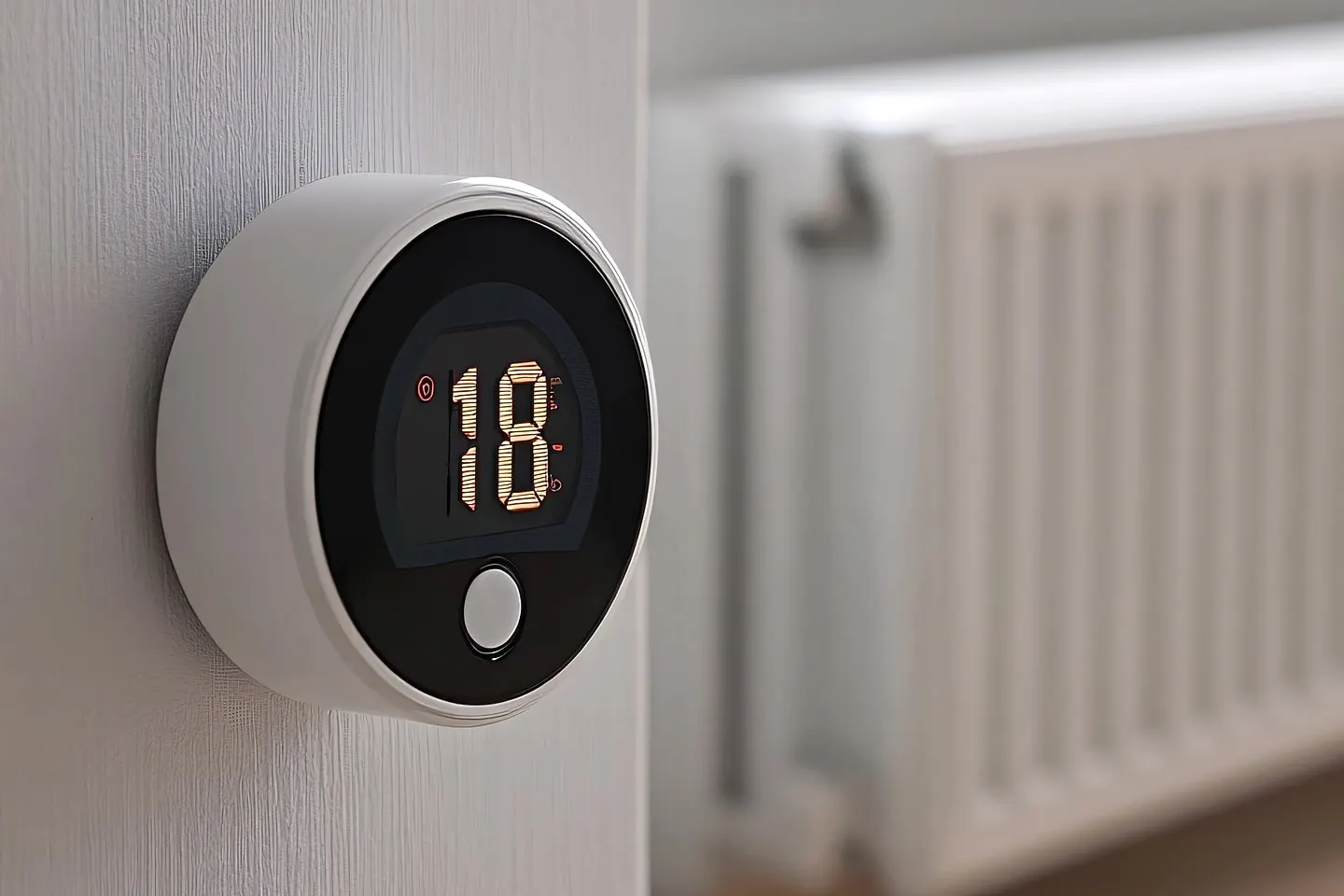
Google Nest thermostat in a Richmond Hill home
Richmond Hill · Residential · Thermostat
Furnaces · gas and electric
Don works on gas, electric and high-efficiency furnaces in homes and commercial buildings: tracking down why there is no heat, fixing ignition, blower and thermostat problems, cleaning and inspecting the furnace before winter, and replacing a furnace that is no longer worth repairing.
If your furnace has stopped and the house is getting cold, call. If you are planning a replacement, the buying questions below are a good place to start before you request an estimate.
These descriptions help you explain what you are seeing when you call. They are not repair instructions: anything involving gas, burners or wiring is a job for Don.
The furnace may not be starting at all, or it may start and shut off before it heats. Causes range from a thermostat setting or a tripped switch to an ignition, flame sensor or control problem inside the furnace.
When to call: Call Don if the thermostat is set to heat, the furnace switch and breaker are on, the filter is not clogged, and there is still no heat.
Short cycling means the furnace runs for a short time, shuts off, then starts again soon after, without the house reaching the set temperature. It can come from restricted airflow (often a dirty filter), a thermostat problem, overheating, or a furnace that is too large for the space it heats.
When to call: Call if short cycling continues after you have replaced a dirty filter, or if it comes with a burning smell or the furnace shutting down completely.
New noises usually point to a part that is wearing or loose: a blower motor or belt, a panel, or delayed ignition when the burners light. Noting when the sound happens (at start-up, while running, at shut-off) helps narrow it down.
When to call: Call when a noise is new, getting louder, or happens every time the furnace starts. Do not open the furnace cabinet to look.
Uneven heat can come from blocked or closed vents, leaking or poorly insulated ductwork, a weak blower, or a thermostat placed where it reads the wrong temperature.
When to call: Call if opening the vents in the cold rooms does not help. Don can check the blower and ductwork and talk through sealing ducts or zoning.
A blank screen, a furnace that ignores setting changes, or one that will not stop running can be a thermostat, wiring or control-board issue.
When to call: Check the batteries and the heat setting first. Call if the furnace still does not respond; thermostat wiring is part of the furnace's electrical system.
Before you call
Leave the building now and take everyone with you. From outside, call your gas utility’s emergency line or 911. Do not switch lights or appliances on or off on the way out. Call Don once the utility or fire service says it is safe to go back in.
Leave anything involving gas, wiring, refrigerant or the inside of the equipment to Don.
Replacement or new installation
A replacement is a bigger decision than a repair. These are the questions worth asking before you request an estimate, so the conversation with Don starts in the right place.
Request an estimateThat depends on the furnace's age and condition, how often it has needed repairs, and the cost of the current repair. Don can tell you what he finds and what the realistic options are.
Most homes keep the fuel they already have, because switching affects gas lines, venting and electrical capacity. If you are considering a change, raise it when you ask for an estimate.
A furnace that is too large tends to short cycle; one that is too small runs constantly on cold days. Sizing should be based on the house, not on the old furnace's label.
High-efficiency furnaces use less fuel for the same heat but have different venting needs. Ask Don whether your home suits one and what the installation would involve.
A furnace can be paired with an air-source heat pump so the two share the heating. If you are also thinking about cooling, it is worth discussing both at once.
Leaky or undersized ducts can undo the benefit of a new furnace. A replacement is also a good time to look at duct sealing and a smart thermostat.
The furnace work Don does for homes and businesses, from a single repair to a full replacement.
Richmond Hill · Residential · Thermostat
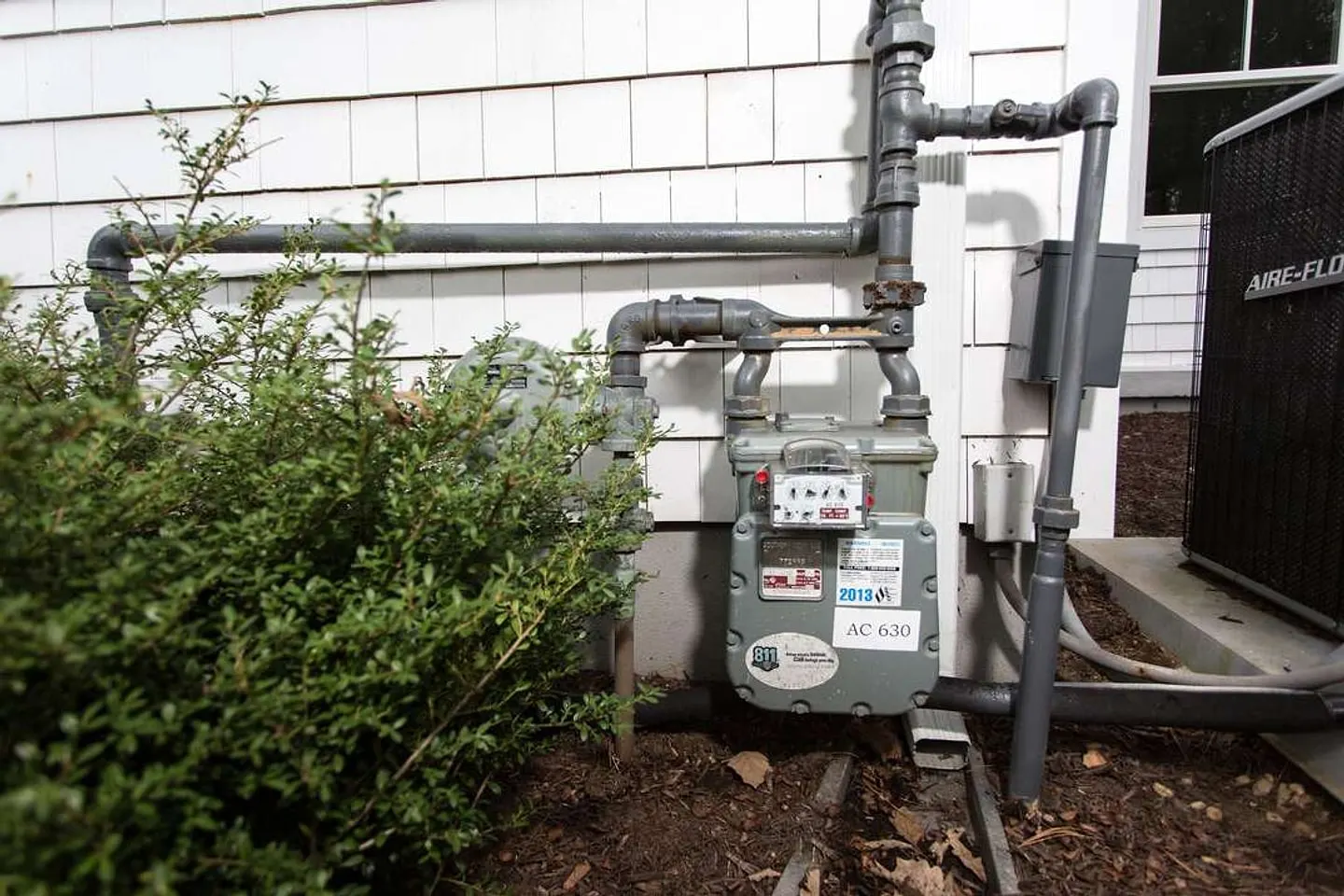
Hamilton · Commercial · Gas line
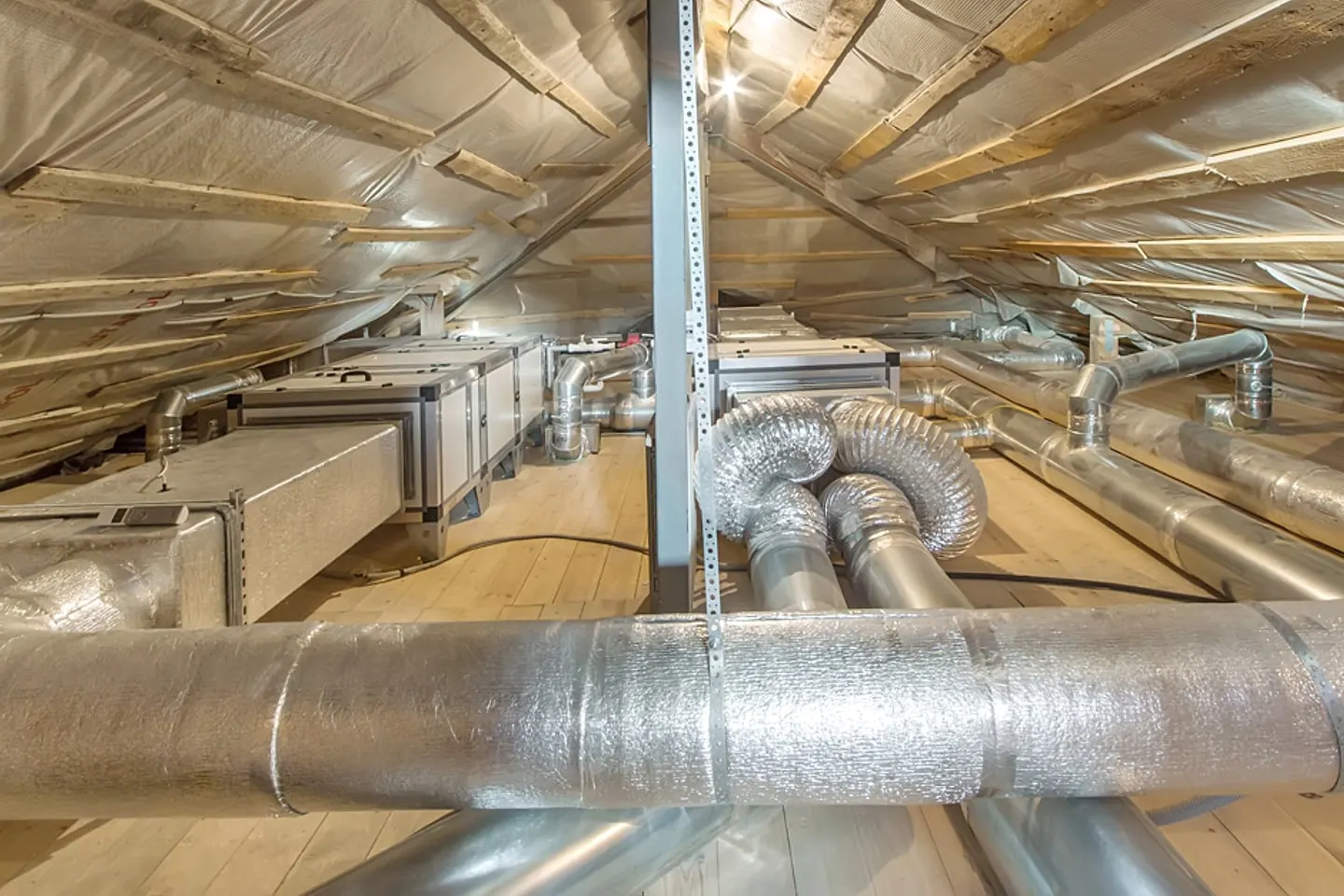
North York · Residential · Ductwork
Leave the building right away and call your gas utility’s emergency line or 911 from outside. Do not switch lights or appliances on or off on the way out. Call Don once the utility or fire service says it is safe.
That is called short cycling. A clogged filter is a common cause and is safe for you to check. If a clean filter does not fix it, the cause may be a thermostat, sensor or sizing issue that Don will need to diagnose.
A yearly cleaning and inspection, ideally before the heating season, lets problems with the burners, heat exchanger or blower show up before a cold night. Filters need checking more often.
Yes. Don works on heating in homes and businesses. Building managers can describe the property when they request service, or see the commercial page.
Don has over 20 years of experience with heating, cooling and hot water. Call to describe the problem, or send a request with the details. Not sure whether Don serves your area? Ask when you get in touch.